


CNC large-scale production
for predictable quality and unit costs
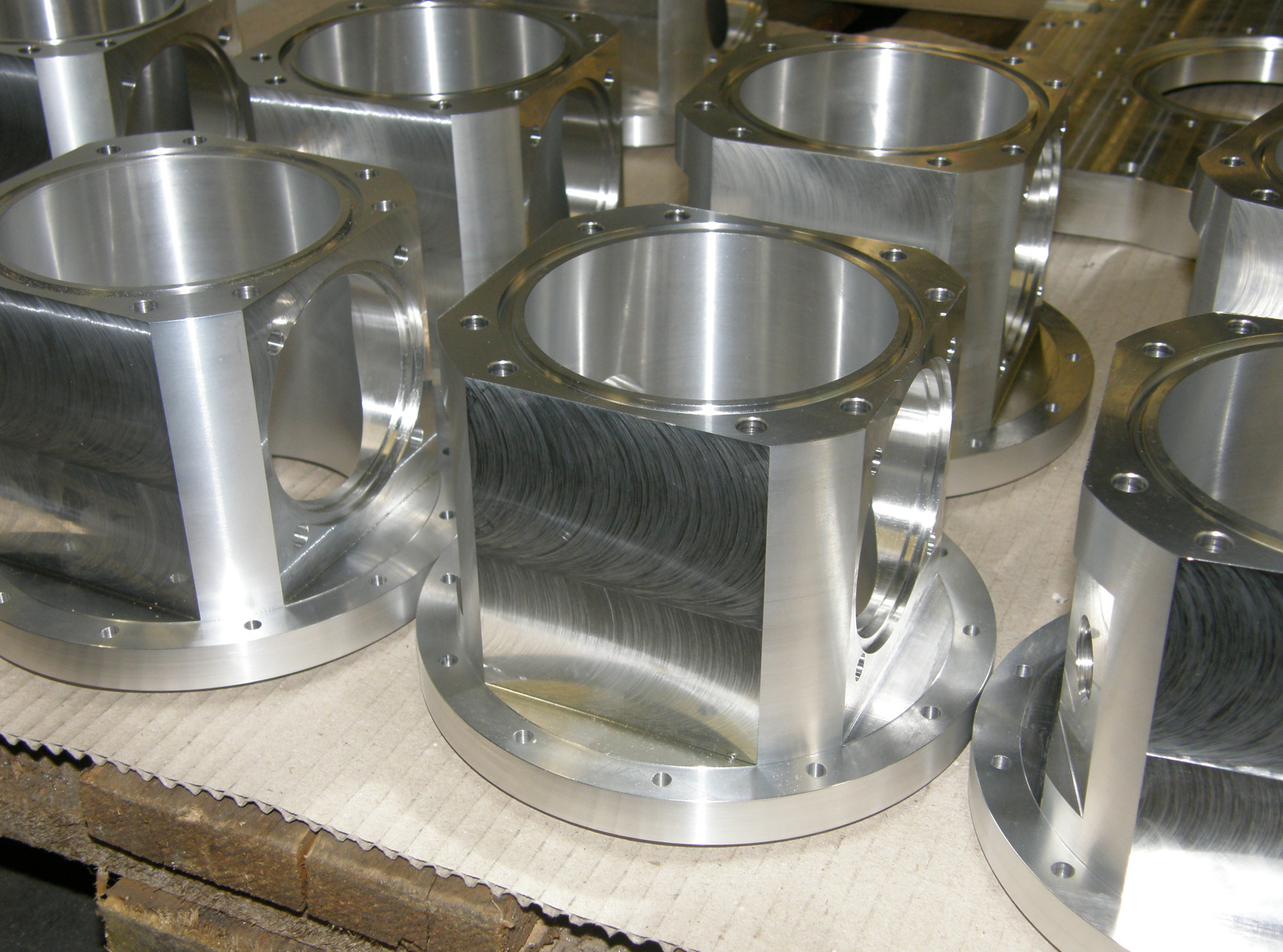
Large-scale production of CNC-machined components creates the foundation for stable unit costs and reliable industrial series production. In CNC series production, reproducible processes are at the forefront, ensuring that every part is manufactured within defined tolerances. CNC large-scale production reduces fluctuations in throughput time and scrap, thereby increasing plannability for purchasing, engineering, and production. Standardized processes and monitored parameters ensure consistent quality across high volumes. CNC series production means that process reliability is anchored not only in machining, but also in parts logistics and inspection planning. For CNC-machined components in large-scale production, stable unit costs are closely linked to a consistently designed manufacturing strategy and robust capacity planning.
Scalability emerges when clamping concepts, tool management, and measurement methods are designed for series production and consistently mastered. CNC large-scale production is particularly suited for components where long-term availability, repeatability, and series capability are decisive. Permanent quality control and documented process steps support transparent and auditable CNC series production. A robust process chain in CNC large-scale production minimizes setup effort, stabilizes manufacturing performance, and improves cost consistency per part. This makes large-scale production a reliable building block for companies that need CNC-machined components in consistent quality and plannable series processes.


An Overview of Our Services












Request a free consultation now – we'll provide you with practical advice.
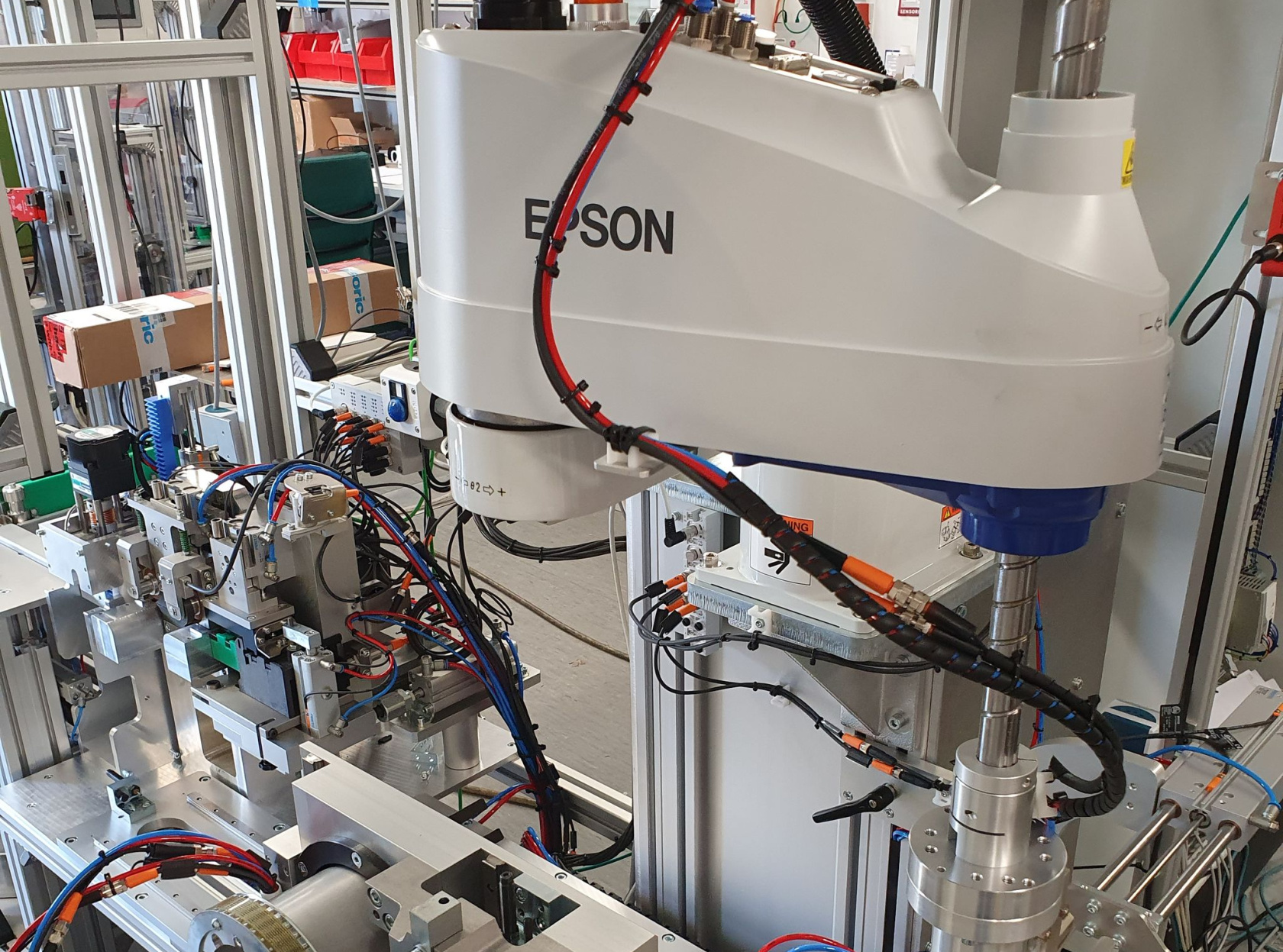
Are you planning a new plant or would you like to automate an existing process? Whether it's special-purpose machinery, plant engineering, or targeted automation solutions: We develop a solution that fits your requirements, interfaces, and target values – transparently, structurally, and with a clear focus on cost-effectiveness.
Use the contact form for a non-binding inquiry. Briefly describe your task, and we will get back to you promptly to discuss how we can sustainably improve your production with a customized machine.


Your questions answered quickly
Here you will find answers to the most important questions.
What are the advantages of CNC large-scale production for B2B projects?
CNC large-scale production offers high repeatability, stable processes, and plannable supply chains – decisive for buyers and technical decision-makers. Standardized workflows and optimized clamping and tool concepts reduce unit costs as quantities increase. At the same time, dimensional accuracy remains consistent throughout the entire CNC series production. For mechanical engineering, this means: reproducible component quality, less rework, and a reliable basis for assembly and downstream processes.
How is quality assurance implemented in CNC series production at high volumes?
In CNC series production, quality is assured through a mix of inspection planning, process monitoring, and documented inspection characteristics. Common measures include first article inspections, defined sampling plans, and measurement and inspection equipment management. In large-scale CNC production, in-process measurements, SPC evaluations, and clear traceability via batch/lot numbers are frequently added. This allows deviations to be detected early, corrections to be initiated in a targeted manner, and quality to be kept stable throughout the entire CNC large-scale production.
From what point is CNC large-scale production economically worthwhile, and why?
Economic efficiency arises primarily through economies of scale: setup times, programming, and tool procurement are distributed across many parts in CNC large-scale production. In addition, machining times can be reduced through optimized cutting data, multiple clamping, and reduced non-productive times. In mechanical engineering series production, procurement can also benefit, for example through standardized raw material formats and blanket orders. The result is lower unit costs, greater cost calculation reliability, and a robust cost structure for long-term series.
What materials and tolerances are realistic in large-scale production?
Large-scale production, just like small-batch production, is suitable for many materials, e.g. aluminium, steel, stainless steel, brass, and engineering plastics, provided material quality and supply stability are ensured. Realistic tolerances depend on geometry, machining strategy, and inspection concept. In CNC large-scale production, critical dimensions are secured through stable clamping concepts, wear-monitored tools, and capable parameters. Decisive is the early coordination of functional dimensions, surfaces, and measurement strategy.
How does automation increase process reliability in CNC large-scale production?
Process reliability emerges when workflows are repeatable and independent of manual interventions. In CNC large-scale production, automation solutions such as pallet handling, parts feeding, robotics, and unmanned run times support consistent production. Additionally, tool life management, condition monitoring, and standardized setup processes ensure stable results. For large-scale CNC production, this means: fewer downtimes, lower scrap risks, and reliable throughput times – a clear advantage for buyers, designers, and technical decision-makers.
Overview:
- What are the advantages of CNC large-scale production for B2B projects?
- How is quality assurance implemented in CNC series production at high volumes?
- From what point is CNC large-scale production economically worthwhile, and why?
- What materials and tolerances are realistic in large-scale production?
- How does automation increase process reliability in CNC large-scale production?
The Team
Here you can find our team members.

Jens Collin
Management

Thomas Tepp
Operations Manager & Authorized Signatory

Kai Marquardt
Project Management

Michel Meinhardt
Design Management

Torben Schubert
Assembly Management

Andree Meißner
Quality Assurance

Arne Becker
Work Preparation

Robin Hordan
Production / CAM Specialist

Peter Hubrecht
Automation
Our process chain at a glance
Here you will find our process chain

Customer inquiry

Quotation Review & Cost Estimation

New orders

Work Planning (WP)

Manufacturing

Quality Assurance

Post-processing & Third-Party Services

Shipping & Logistics

Billing

Follow-up & Improvement